By Macy Hanni, MDA, RD
I have wanted to make a career out of food for as long as I can remember.
My journey to becoming a Registered Dietitian started with an Easy-Bake Oven and a play kitchen set. The first career I remember hoping for when someone asked, “What do you want to be when you grow up?” was a baker. I dreamed of waking up early to prepare sweet treats and baked goods in my own little bakery.
As I got a little older, that dream shifted more toward becoming a chef. I talked about going to culinary school instead of college and dreamed about creating recipes, making dishes, and eventually running my own restaurant. When I was 11 or 12, I got my own chef’s knife and cutting board for Christmas to use in my family’s kitchen when I helped make dinner. It was one of my favorite gifts I have ever received, and I wore that knife down until it was dull.
But food wasn’t the only thing that became a big part of my life growing up. Running did too. I started running track in fourth grade as a 400-meter runner for my city team. I lost just about every race, so my coaches started encouraging me to train with the distance runners. That was when I discovered that maybe I was actually pretty good at running. I trained with the distance group throughout elementary school, and when I got to junior high, I competed in one little cross-country race. I immediately decided I liked cross country much more than track.
So when I got to high school, I joined the cross-country team. Running quickly became a huge part of my life. I was training six days a week, trying to keep up with school, and balancing long runs, early mornings, and late nights. I loved running and wanted to be good at it. But throughout high school, my body seemed to have a hard time keeping up with the level of training I wanted to do and I was injured A LOT.
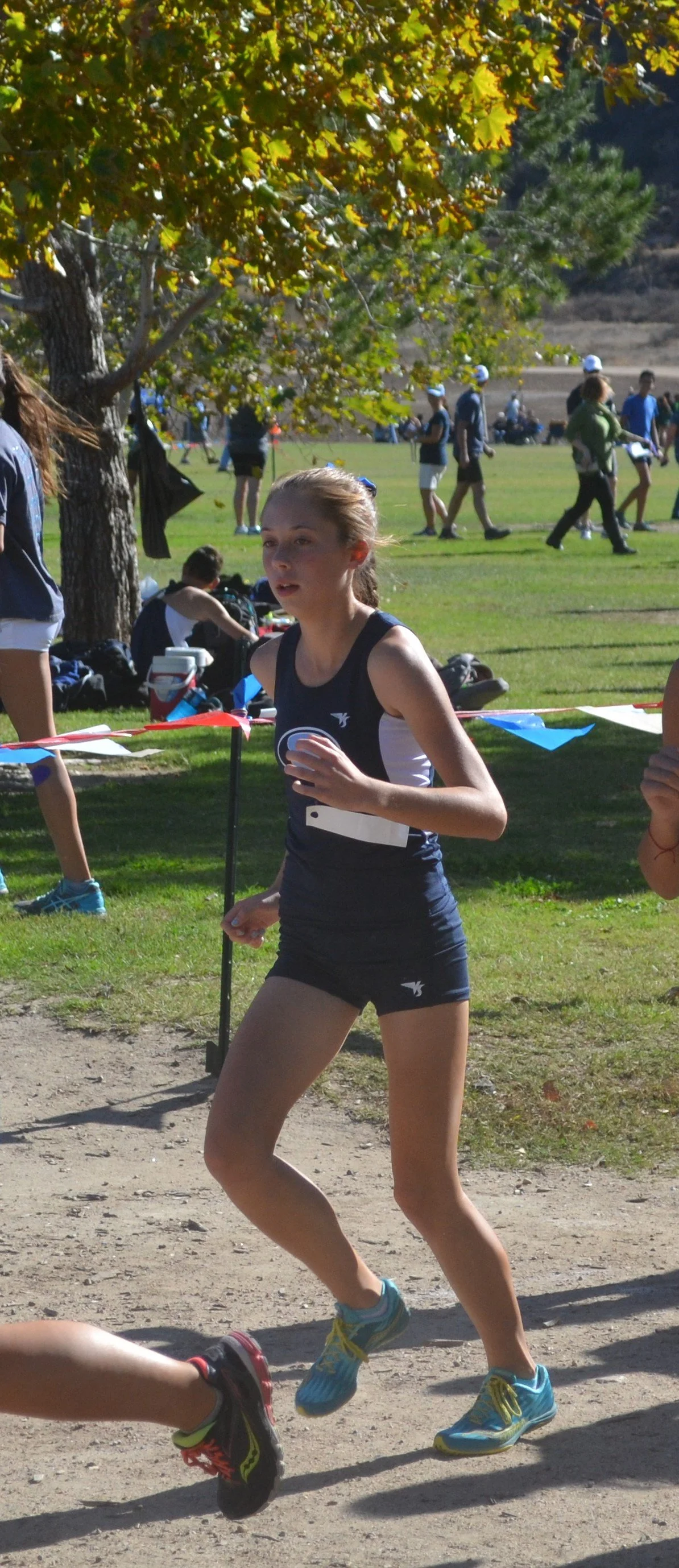
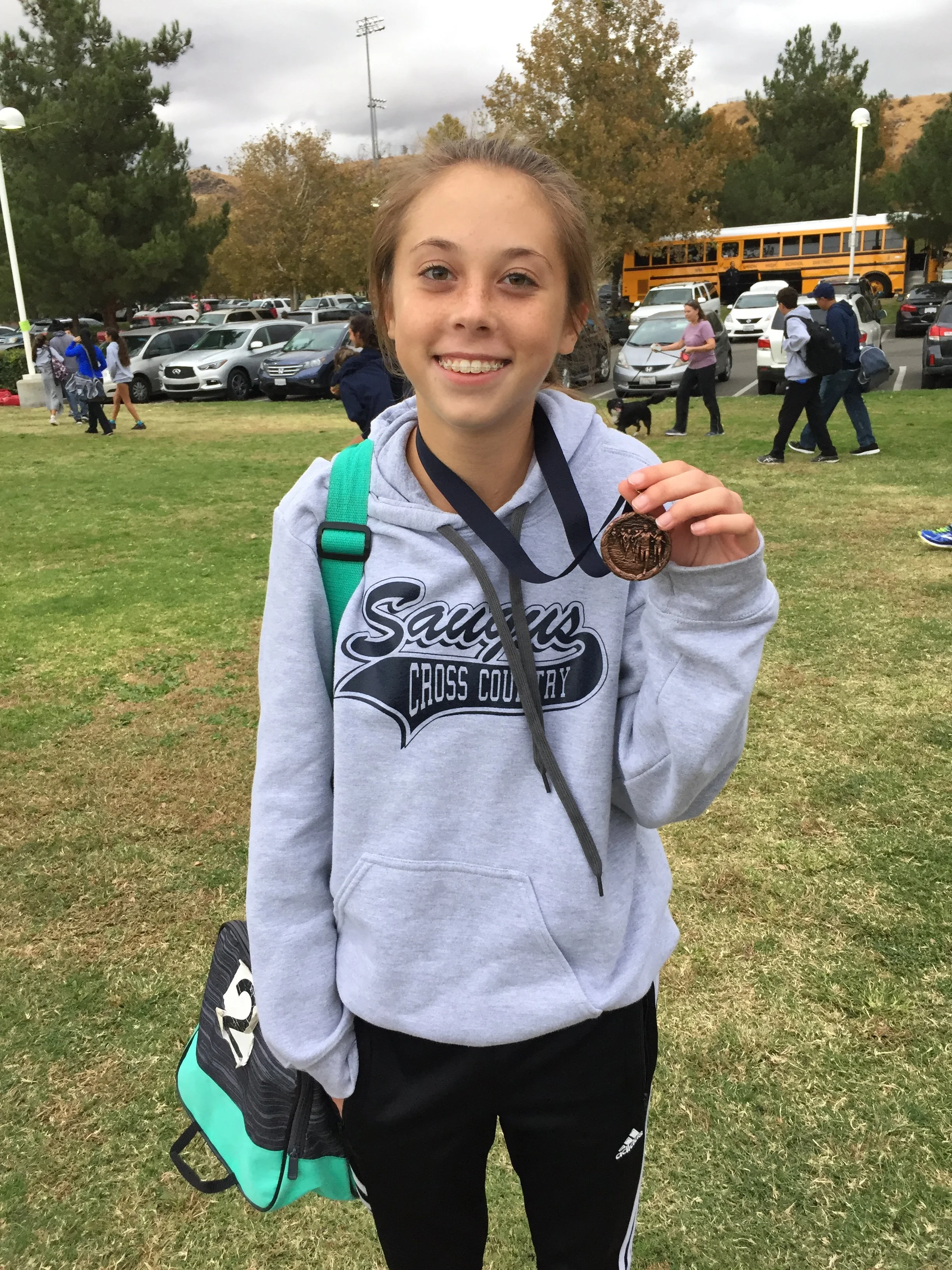
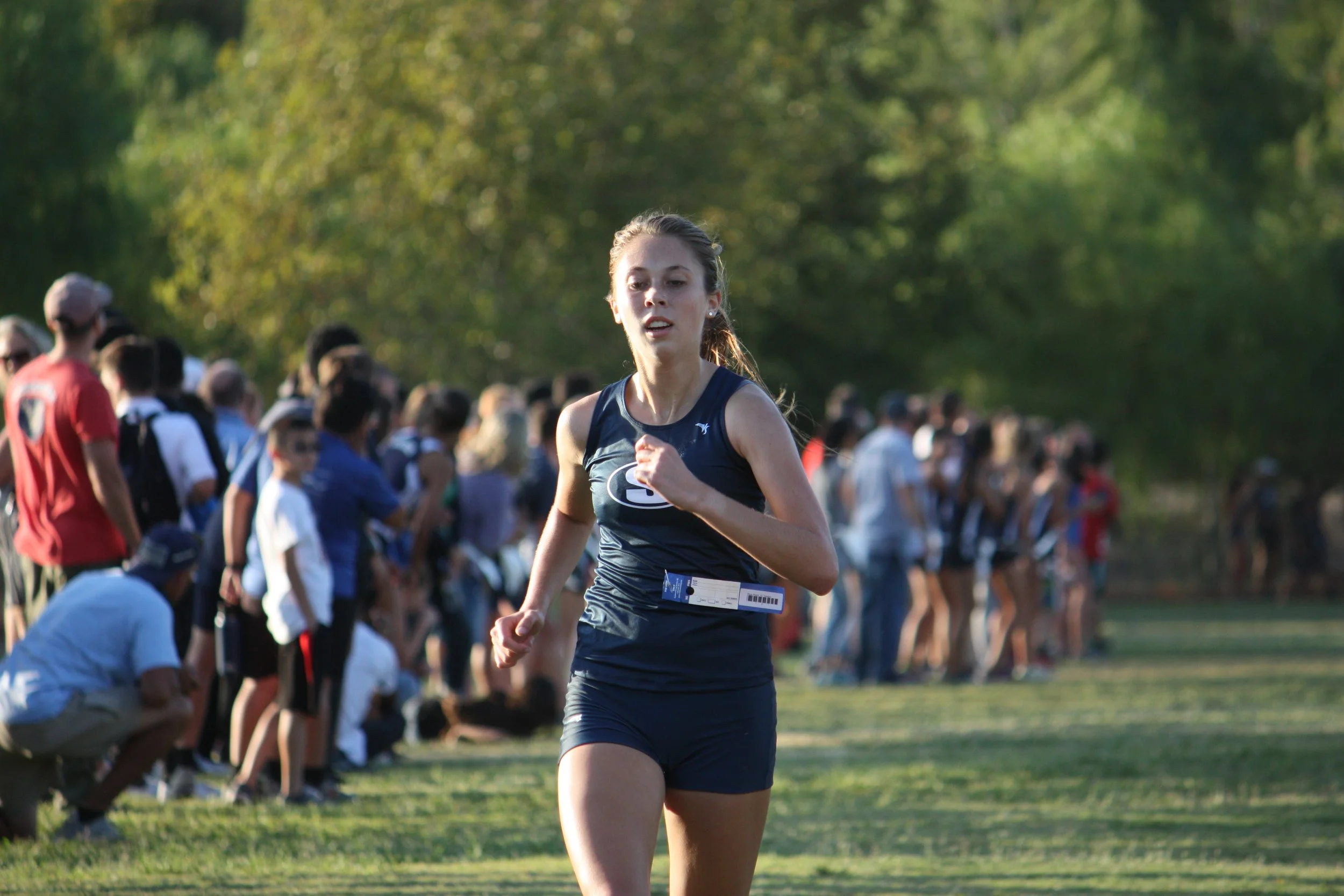
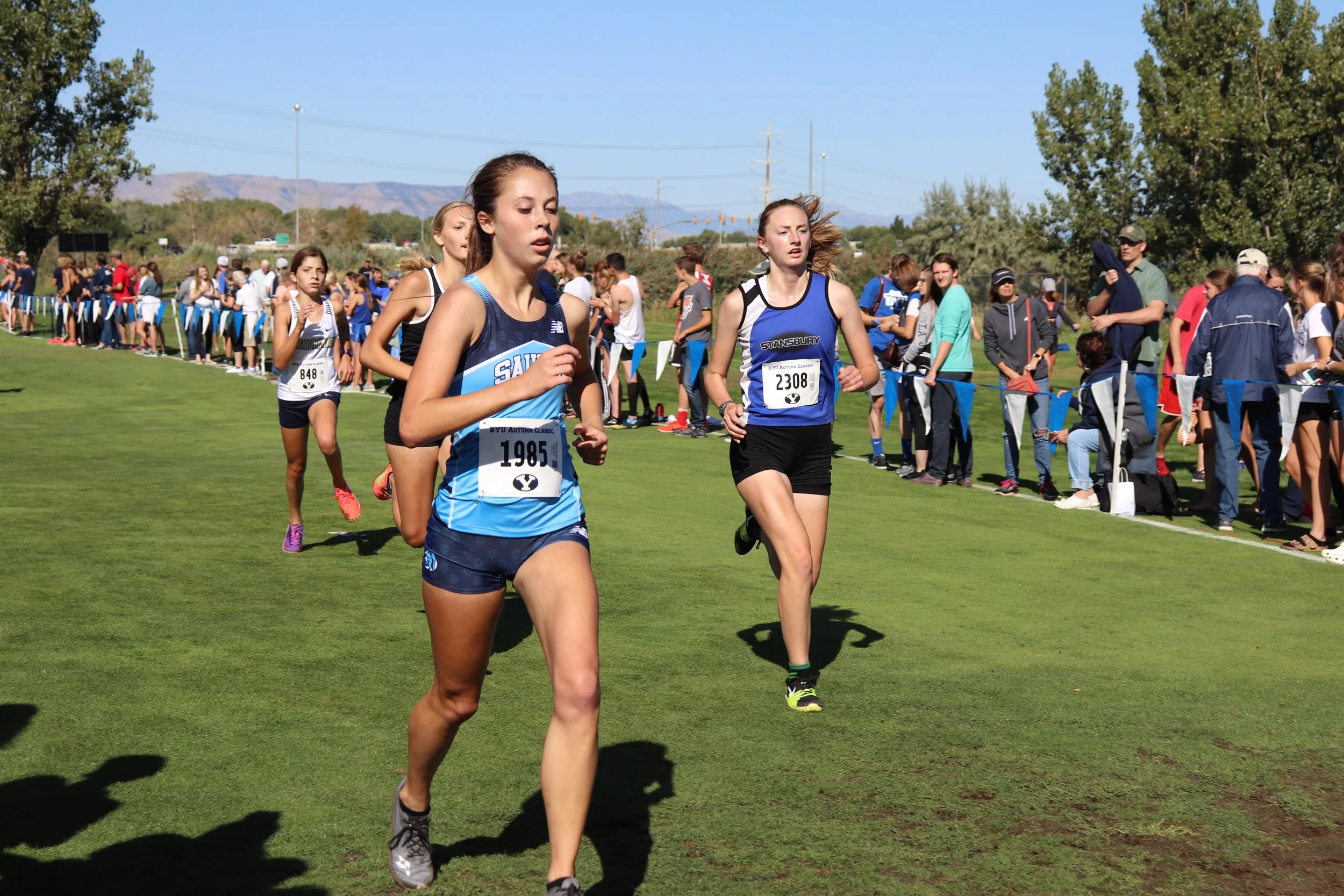
I dealt with shin splints, plantar fasciitis, calf strains, pinched nerves, knee problems, hip pain, and eventually a stress fracture in my femur. I spent a lot of time trying to recover, only to get injured again when I returned to running. I started to believe that I was simply injury-prone.
I thought I needed to train harder. I wanted my body to be able to handle what my teammates were doing, but it often felt like my body just couldn't keep up.
I also struggled with chronic fatigue, headaches, and migraines. There were days when it was difficult to stay awake in class, focus on school, or even enjoy time with friends. I saw different doctors to be tested for anemia and evaluated for my injuries, but no one really asked me about my nutrition.
My coaches gave me some nutrition advice. They encouraged me to eat protein, choose iron-rich foods, and take a supplement. I thought I was eating well. I knew I was eating a lot. But looking back now, I can see that my activity level made it difficult to meet my energy needs, especially as my training increased.
At the time, I never connected my nutrition to my injuries, fatigue, or recovery. I wish someone had asked more questions. I wish someone had looked a little closer at what I was eating and helped me understand that when my training increased, my nutrition needed to increase too. I wish someone had explained that eating more wasn't a bad thing, it was something my body needed to keep up with what I was asking it to do.
I also had my own complicated experiences with body image. I have always lived in a very small body, and people would sometimes make comments about my size or tell me they were jealous of my body. Those comments always felt awkward and uncomfortable. They made me afraid of what people might say if my body ever changed or got bigger. I remember being disappointed when I finally saw the scale reach three digits during my junior year of high school.
My body image struggles weren't necessarily changing what I ate or how I trained, and they didn't really affect how I felt about myself as a runner. But they did affect how I felt about myself in general and how I thought about my body.
Looking back, these experiences have shaped the kind of dietitian I want to be.
After hobbling my way through high school, my career dreams shifted again. I started applying to colleges without really knowing what I wanted to do. Then I came across nutrition science. It seemed like the perfect combination of the things I already loved: food, baking, cooking, and learning about the human body. And I thought that maybe, I could use it to help people who were going through some of the same things I had experienced. As I talked about these things with my advisor she guided me to dietetics and taught me what a Registered Dietitian is.
So I went for it and I quickly fell in love with nutrition. I loved learning about the human body, chemistry, food science, cooking, and nutrition. But during college, something else happened that changed the direction of my career. I started working at a residential treatment center for eating disorder recovery.
About six months into working there, I started making deeper connections with the girls I worked with. I learned how to better support them through their recovery, and I started seeing just how powerful food could be.
One of the most incredible things to watch was what happened when someone who had been struggling with an eating disorder began consistently getting the nutrition their body needed.
After a week or so of eating appropriate amounts of food consistently, I would see color come back into their faces. Their eyes seemed brighter. Their personalities started coming back. They would joke with us, laugh, and let us get to know who they were beyond their eating disorder. It was beautiful and it was so powerful!
I started to realize that nutrition wasn't just about food. Food could affect someone's energy, health, relationships, mental well-being, and ability to fully experience their life. At the same time, I was learning more about my own relationship with running and nutrition.
During college, I stepped back from running, started lifting a little, and worked on my nutrition. Slowly, my body started feeling so much better. I still deal with headaches and migraines, but I am incredibly grateful that my body doesn't constantly ache and hurt the way it did when I was training heavily in high school.
It made me wonder what might have been different if someone had taught me these things sooner.
As I continued through my education and dietetic internship, I had the opportunity to experience many different areas of dietetics. I learned from foodservice, community nutrition, clinical nutrition, and so many other experiences. Throughout all of them, I kept coming back to the same two things: sports nutrition and disordered eating. I tried to convince myself that I needed to pick one, but the more I learned, the more I realized how naturally they fit together.
Athletes need enough food to train, recover, grow, and perform. But sometimes athletes also struggle with body image, food rules, restriction, or feeling like they need to control their food in order to be a better athlete.
I know what it feels like to want your body to keep up with your training.
I know what it's like to struggle with injuries and fatigue without understanding why.
I know what it's like to compare your body to the people around you.
And I know how powerful it can be when someone finally gets the nutrition and support they need.
That is why I created Wholesome Health Nutrition.
I want to help athletes fuel their bodies with confidence, improve their performance and recovery, and build a healthier relationship with food along the way. I also want to support people who are struggling with disordered eating, body image, or feeling like food has become complicated and exhausting. I don't believe nutrition should make your world smaller. I believe it should help you live your life more fully.
Maybe that's why my journey started with an Easy-Bake Oven and a play kitchen, took me through years of running, injuries, cooking classes, eating disorder treatment, and eventually a career in nutrition.
I became the dietitian I needed when I was younger and now I get to help other people feel fueled, supported, and at home in their bodies.
If you think Wholesome Health could be a good fit for you, I'd love to hear from you! We can talk about your goals, your sport, your relationship with food, and what support might look like for you.
Let's build Wholesome Health together!
